China’s Strategic Shift: A Game Changer for the U.S. Financial System
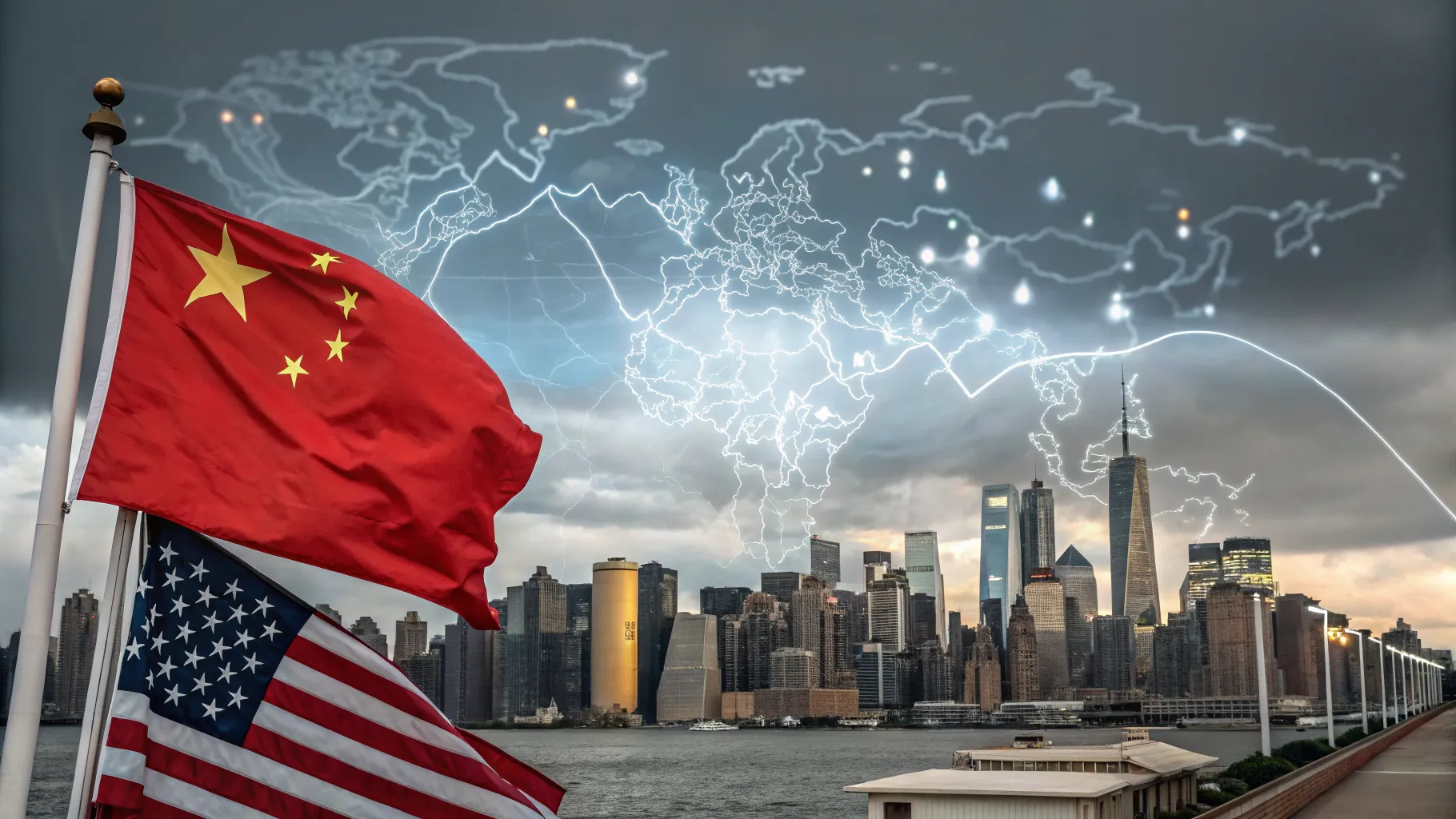
China has just dealt a significant blow to the U.S. economy, and this isn’t about new tariffs or export bans. The real impact comes from a strategic shift within China’s financial system that could alter the global economic landscape forever. Let’s dive into how China’s recent decisions are reshaping its economic relationships and what this means for the U.S.
The U.S. Financial System at Risk
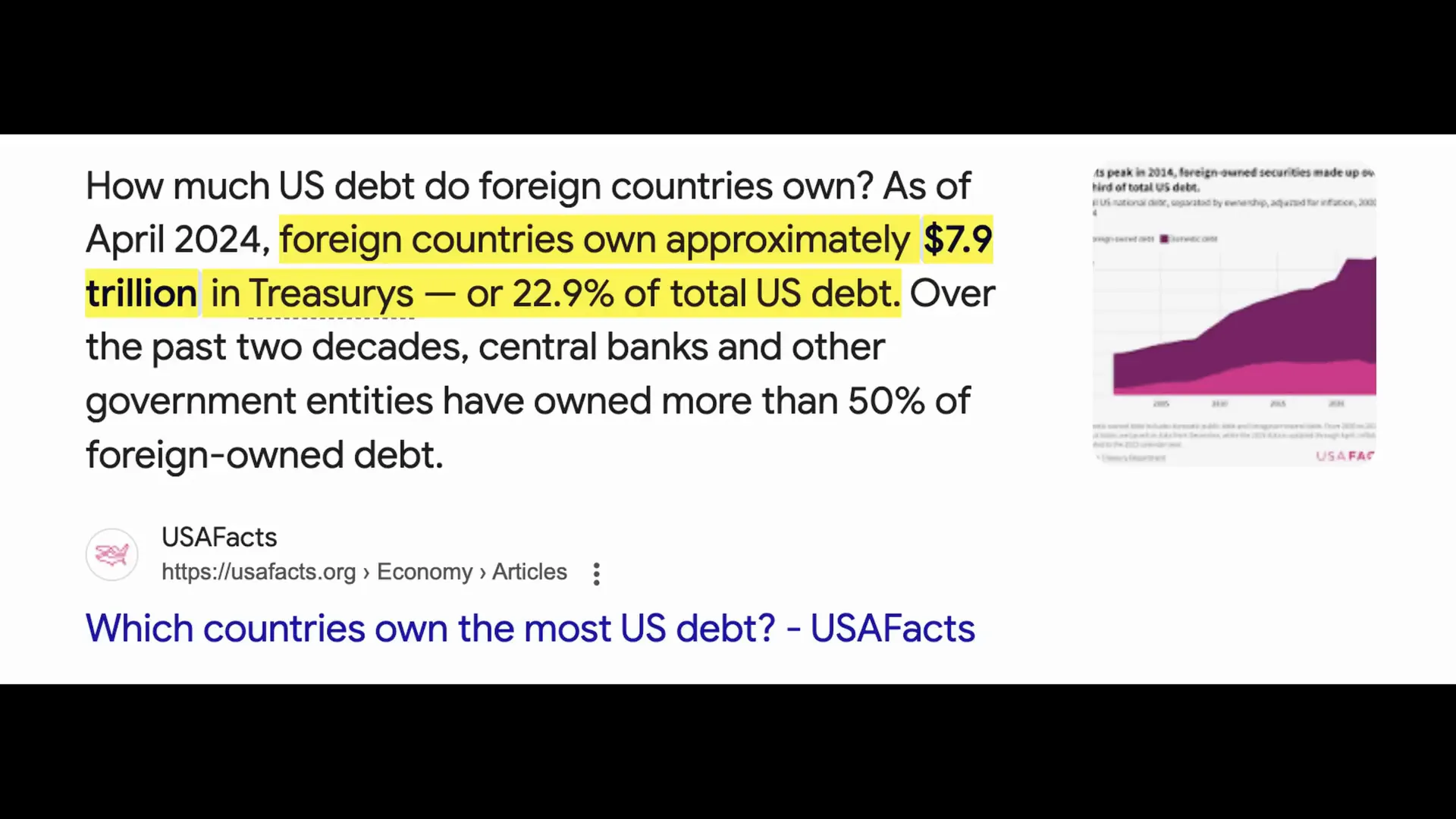
The heart of the U.S. economy lies in its financial system, which has relied heavily on foreign investment. As of early 2024, foreign entities owned a staggering $7.9 trillion in U.S. Treasuries, making up about 23% of the total U.S. debt. This dependency on foreign investment has been a double-edged sword. While it has provided stability and growth, it also leaves the U.S. vulnerable to shifts in global economic sentiment.
For years, many investors have flocked to U.S. assets, drawn by the dollar’s status as the reserve currency. This trend has been particularly pronounced in times of crisis, where the instinct is to sell local assets and purchase U.S. stocks and bonds. In fact, in the first quarter of last year, nearly $200 billion was invested in U.S. corporate debt by foreign investors, highlighting the extent of this reliance.
However, this influx of foreign capital may mask a growing weakness. The global community is increasingly questioning the stability of the U.S. economy, especially in light of recent political actions. For instance, former President Trump’s imposition of tariffs on both allies and adversaries has raised eyebrows and created friction in international relations.
China’s Bold Move to Buy Gold
In a surprising turn of events, China has signaled a shift away from U.S. assets. The Chinese government has instructed its insurance giants to diversify their investments into precious metals, particularly gold. This decision is monumental, as it marks a strategic pivot aimed at reducing dependency on U.S. financial instruments.
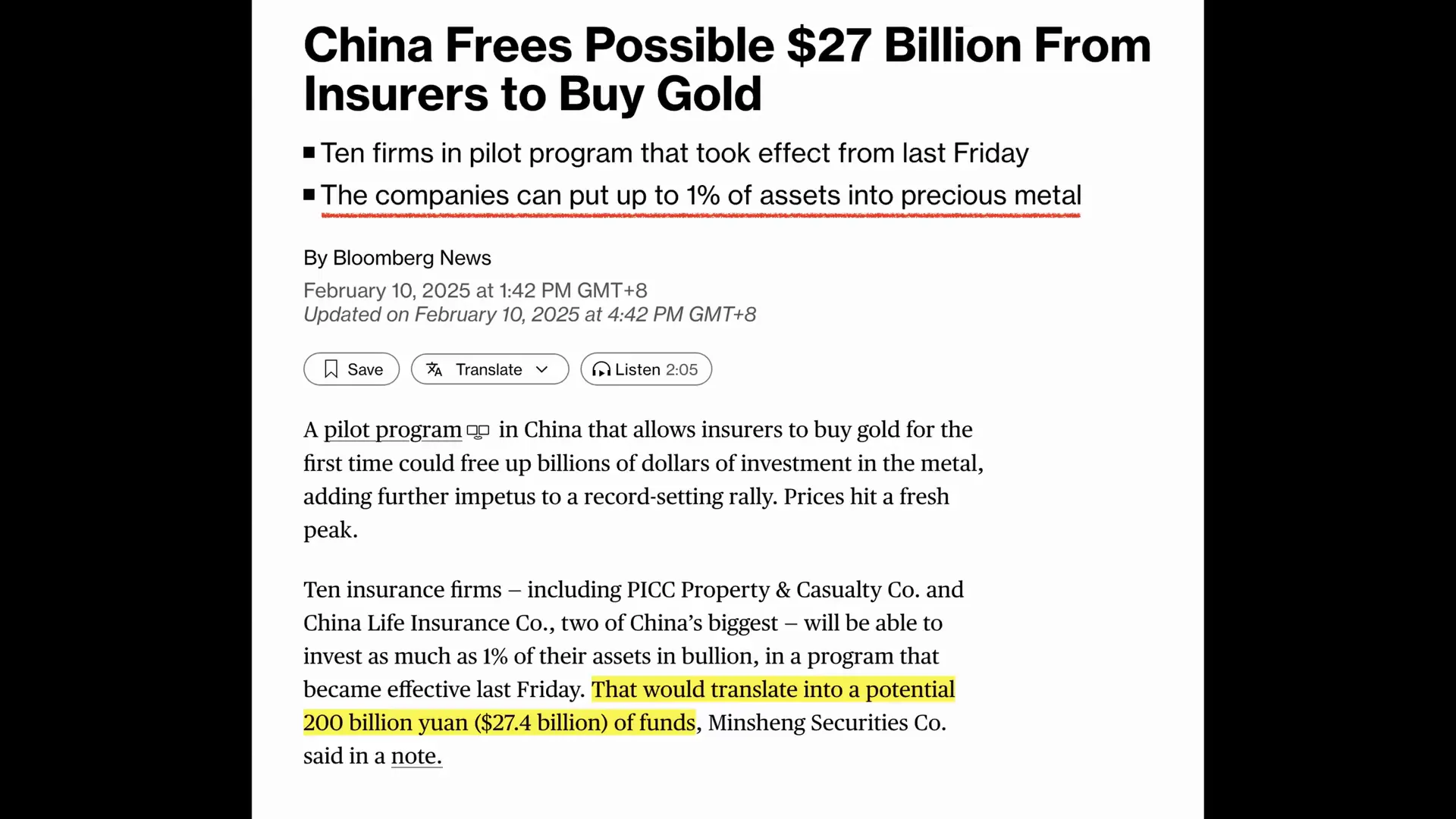
China’s insurance companies are now allowed to allocate up to 1% of their assets to precious metals, which could free up approximately $28 billion for gold investments. This is just the beginning, as initial actions involve ten major insurance firms. The implications for the U.S. economy are significant, as this marks a clear intent to dollarize their economy and move away from U.S. assets.
This shift is not merely a precaution; it represents a broader strategy for China to assert its economic independence. By encouraging domestic investment in gold, China aims to insulate itself from potential financial shocks that may arise from U.S. economic policies. This could lead to a decrease in the demand for U.S. bonds, further straining the U.S. financial system.
Dumping U.S. Assets for Chinese Stocks
In addition to gold, China is also directing its financial resources towards boosting its own stock market. Regulators have mandated that state insurers invest a minimum of 30% of new policy premiums in local shares. This move is expected to unlock about $68 billion into Chinese stocks from the three largest insurance giants.
This strategy aims to bolster China’s equity markets while simultaneously reducing the flow of capital into U.S. assets. By prioritizing domestic investments, China seeks to limit its economic exposure to the volatility of the U.S. financial system, especially in the wake of ongoing trade tensions.
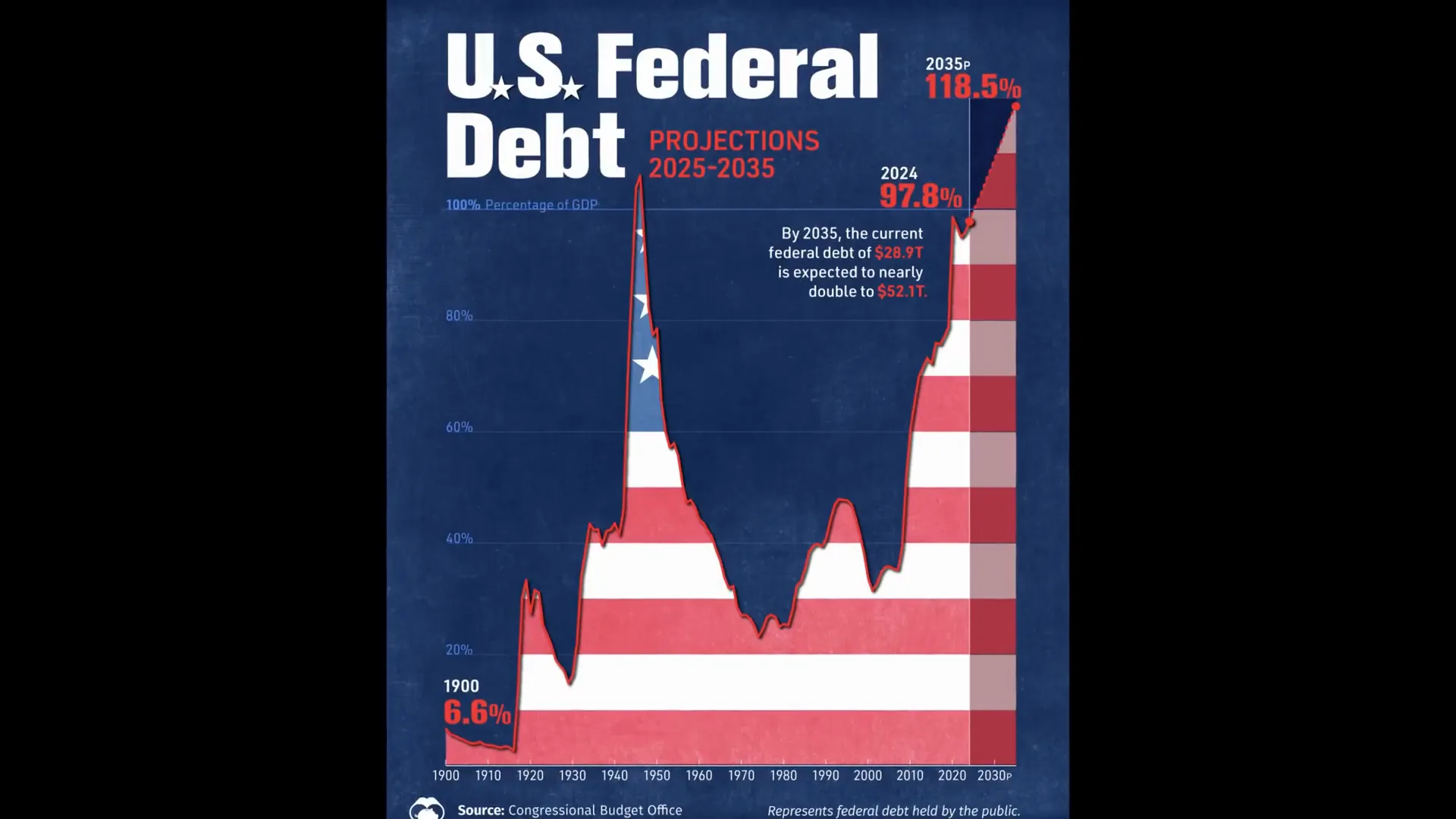
The ramifications of this shift are profound. As China divests from U.S. assets, it could lead to a significant decrease in foreign investment in the U.S. economy, which has relied on these inflows for growth and stability. This could exacerbate the already precarious situation of the U.S. national debt, which is projected to reach 120% of GDP by 2035, amounting to $52 trillion.
Tariffs Backfire on U.S. Economy
The trade war initiated by former President Trump has had unintended consequences for the U.S. economy. While the intention was to protect American industries, the reality is that these tariffs have strained relationships with major trading partners, including China. As a result, U.S. consumers and companies are facing increased costs and reduced access to foreign goods.
Recent data indicates that inflation remains stubbornly high, hovering around 3.2% to 3.3%. With tariffs driving up prices on everything from cars to electronics, the burden falls disproportionately on American consumers. This scenario creates a vicious cycle where higher prices lead to reduced consumer spending, which in turn slows economic growth.
Furthermore, the Federal Reserve’s decision not to cut interest rates exacerbates the problem. Higher interest rates mean increased costs for borrowing, which will add further pressure on the national debt. As the U.S. government continues to grapple with these challenges, the implications for its financial stability are dire.
U.S. Debt: Big Losers Ahead
The burden of national debt is becoming increasingly unsustainable. Over the next ten years, the U.S. is expected to engage in a massive borrowing spree to fund tax cuts and other initiatives. However, as foreign investors become more reluctant to purchase U.S. debt, the government may find itself in a precarious position.
Currently, foreign investors hold about $8.7 trillion in U.S. debt. If these buyers decide to walk away, the responsibility will fall on domestic investors, including pension funds and mutual funds. The risk is that when the default day arrives, it will be these domestic investors who suffer the most.
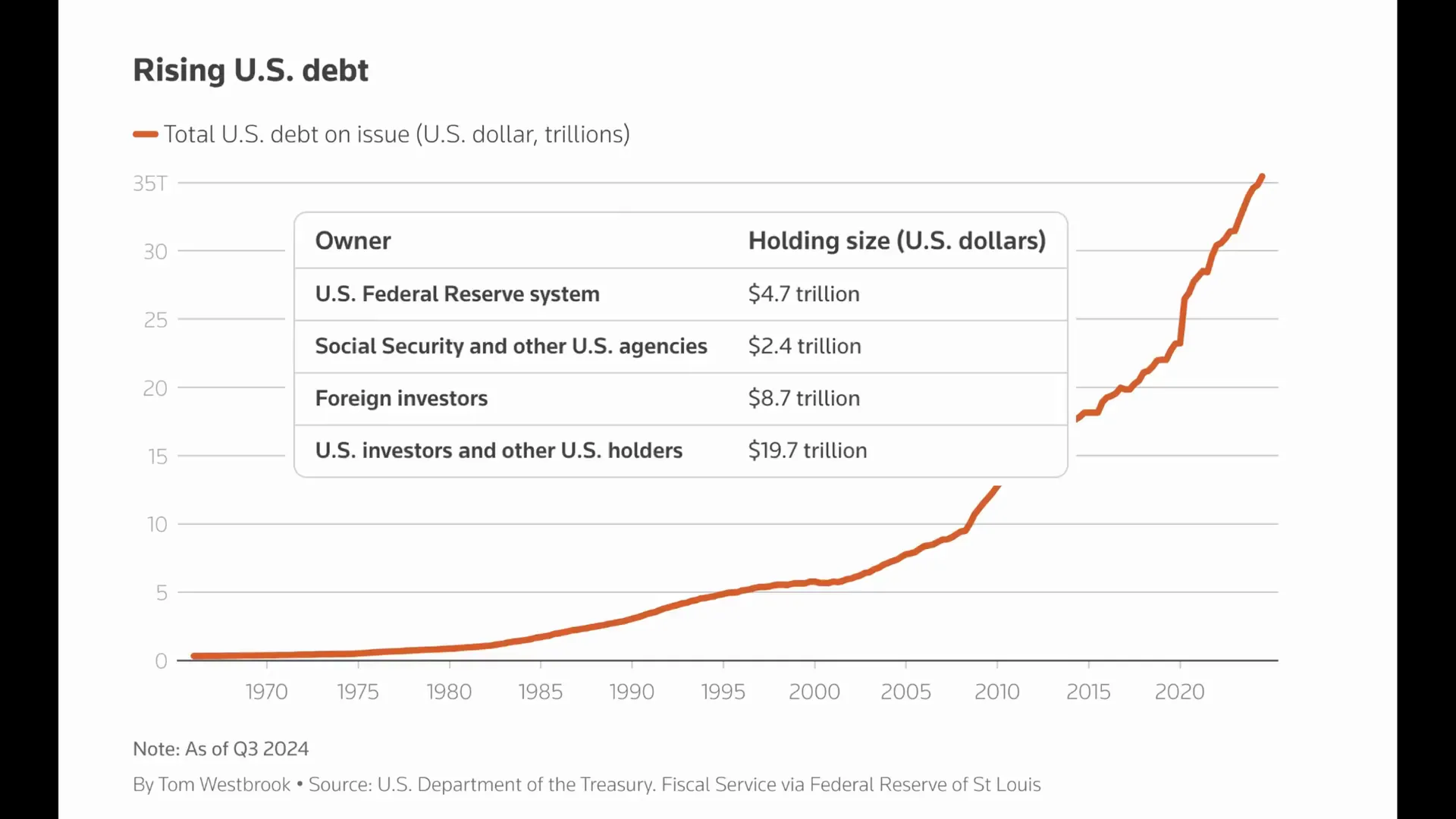
In this scenario, the U.S. government must make significant changes to regain the trust of investors. This includes curbing spending, potentially embracing a recession, and reversing tariffs that have driven away foreign capital. However, whether these changes can be implemented in time to avert disaster remains uncertain.
Conclusion: The Road Ahead
China’s recent moves to bolster its financial markets while divesting from U.S. assets signal a critical shift in the global economic landscape. The implications for the U.S. are profound, with potential repercussions for the national debt and the overall stability of the financial system.
As we navigate these tumultuous times, it is crucial to stay informed and prepared for the potential fallout. The actions taken by China may be just the beginning of a broader trend towards economic diversification and independence from the U.S. financial system. What does this mean for the future? Only time will tell, but one thing is clear: the world of finance is changing, and we must adapt accordingly.
History and Sovereignty of South China Sea (SCS)

Why China’s Rise Defies Simple Democratic‑Authoritarian Labels

The Rise of Beidou: China’s Game-Changing Navigation System
About The Author
