Can The Rest of the World Learn From China’s Global Energy Dominance? 🌍
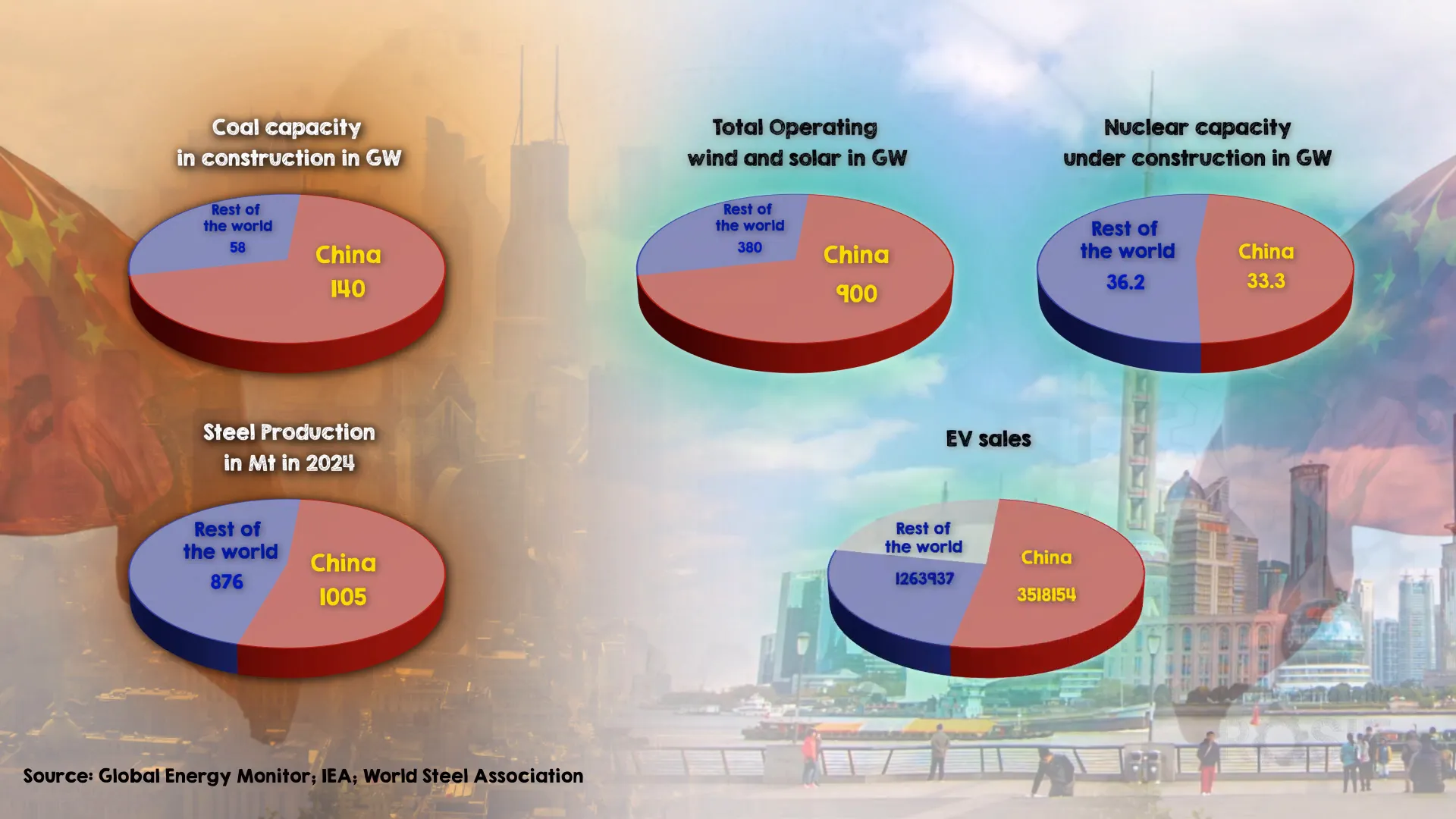
Table of Contents
- China Dominates Coal Power 🏭
- China’s Hydropower Leadership 💧
- Solar Power: A Game Changer ☀️
- Wind Power: A Leader in Capacity 🌬️
- Nuclear Energy: The Fastest Growing Sector ⚛️
- Electric Vehicles and Heavy Transport 🚗
- Energy Storage: A Kitchen Sink Approach 🔋
- Why Does China Dominate Energy? 🤔
- Lessons for the Rest of the World 🌎
- Frequently Asked Questions (FAQ) ❓
China Dominates Coal Power 🏭
To understand China’s energy landscape, we must first look at its coal power. In 2023 alone, China added 47 GW of new coal capacity—more than Germany and Japan’s total coal fleets combined. This accounts for around two-thirds of all new coal power being constructed globally, and it generates about 60% of China’s electricity. This heavy reliance on coal has made China the world’s largest emitter of greenhouse gases.
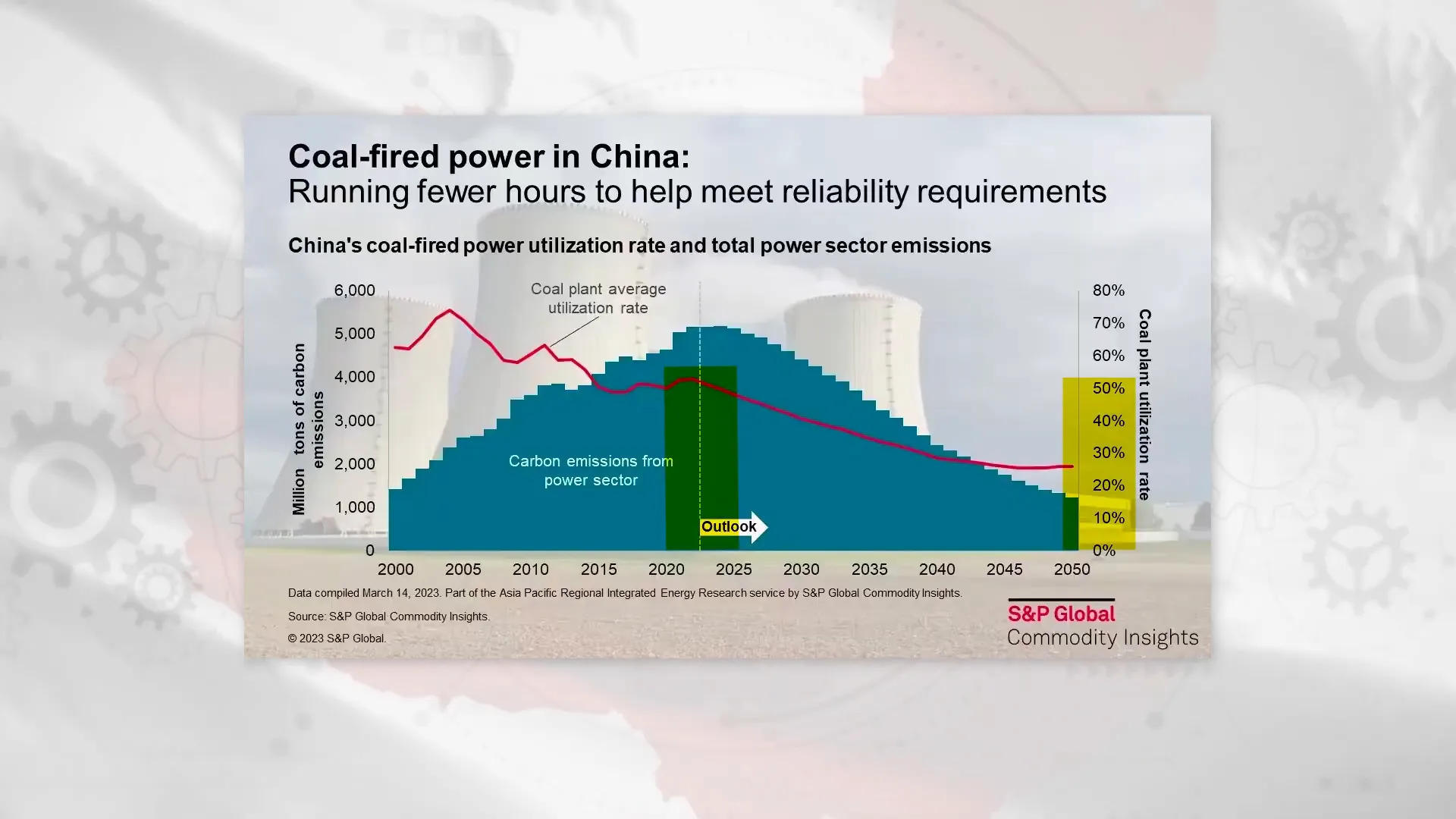
But here’s the twist: China’s coal fleet is operating at record low utilization rates, averaging just 51% capacity in 2023. Compared to the early 2000s, when it regularly operated at over 70%, this is a significant decline. So, why is China still constructing coal plants if they are not being fully utilized? One reason is grid stability. Unlike other countries that rely on gas peakers and batteries, China is using coal as a flexible backup. Many coal plants have been retrofitted to ramp up and down quickly as needed.
Provincial politics also play a role. Local governments often approve coal projects to stimulate local economies, even if it leads to overcapacity and financial inefficiencies. While some analysts predict that China’s coal consumption will peak soon due to the expansion of renewables and nuclear, others view the continued investment in coal as an energy security measure.
China’s Hydropower Leadership 💧
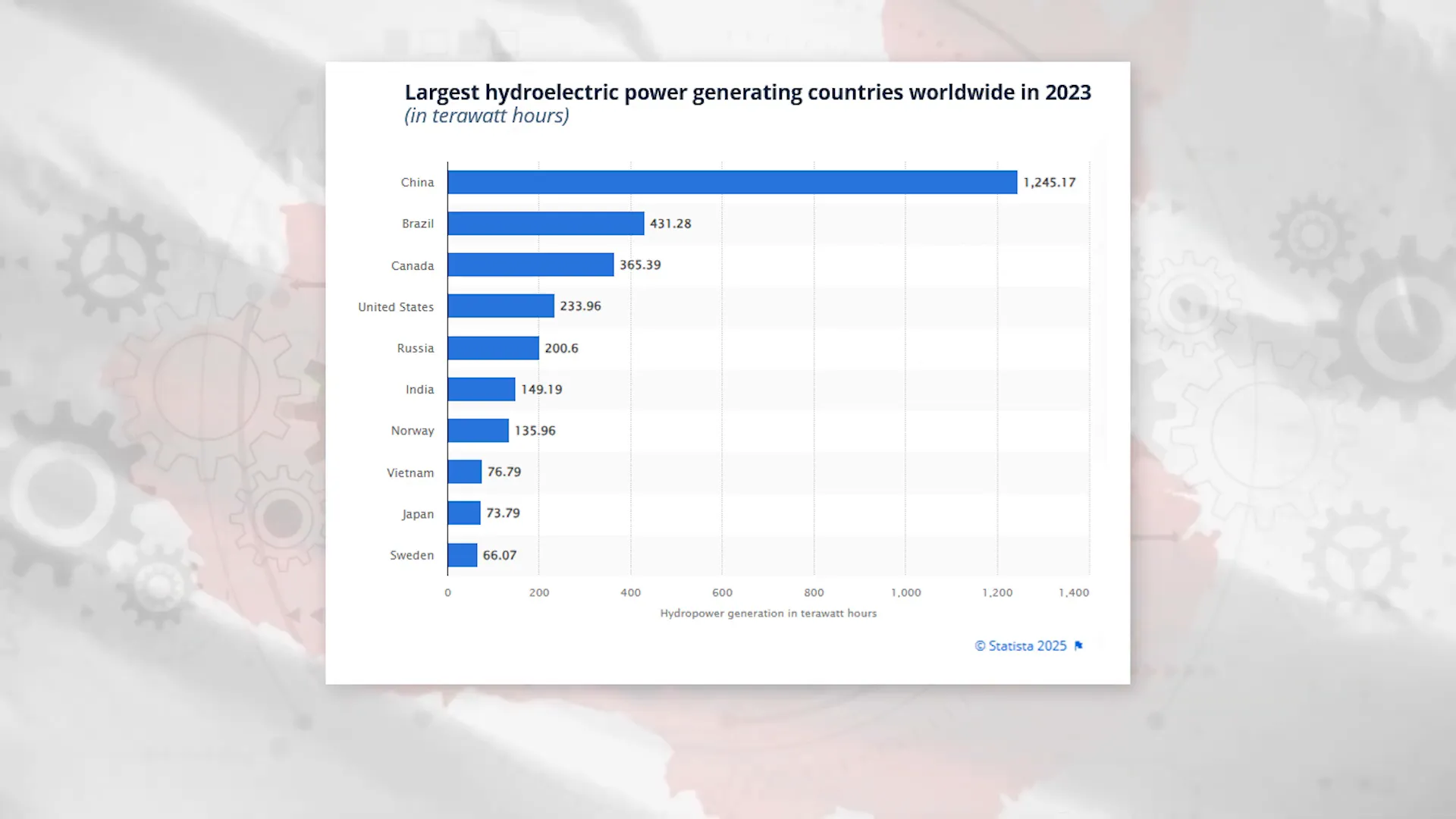
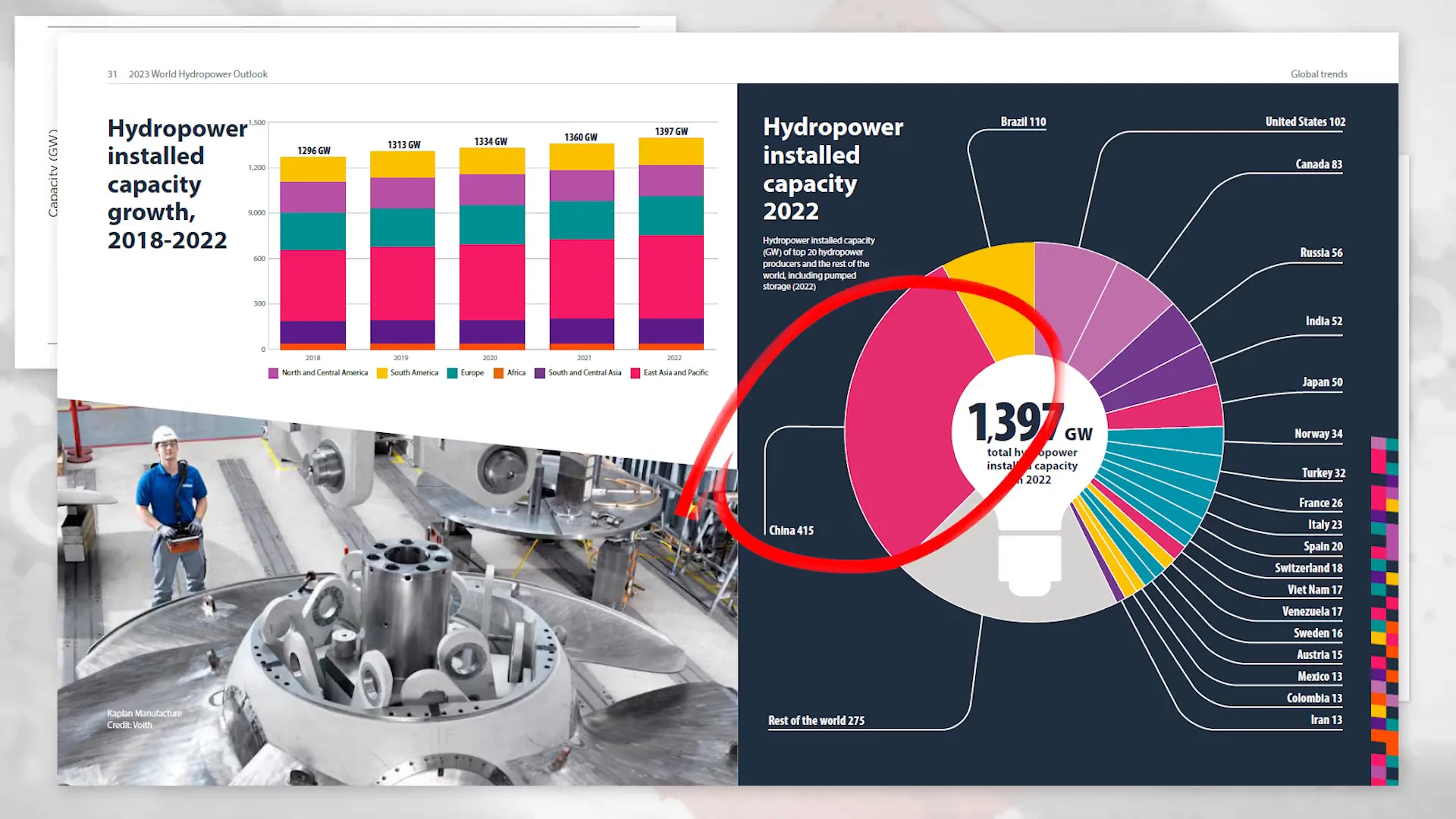
While coal remains a significant part of China’s energy mix, hydropower is another area where China excels. The country is the clear leader in hydropower, accounting for about 29% of the global total. This is largely thanks to monumental projects like the Three Gorges Dam, the world’s largest power station by installed capacity. In fact, China has been responsible for nearly 75% of new global hydropower capacity recently, including pumped hydro storage projects essential for balancing the grid as more renewable energy sources are integrated.
Solar Power: A Game Changer ☀️
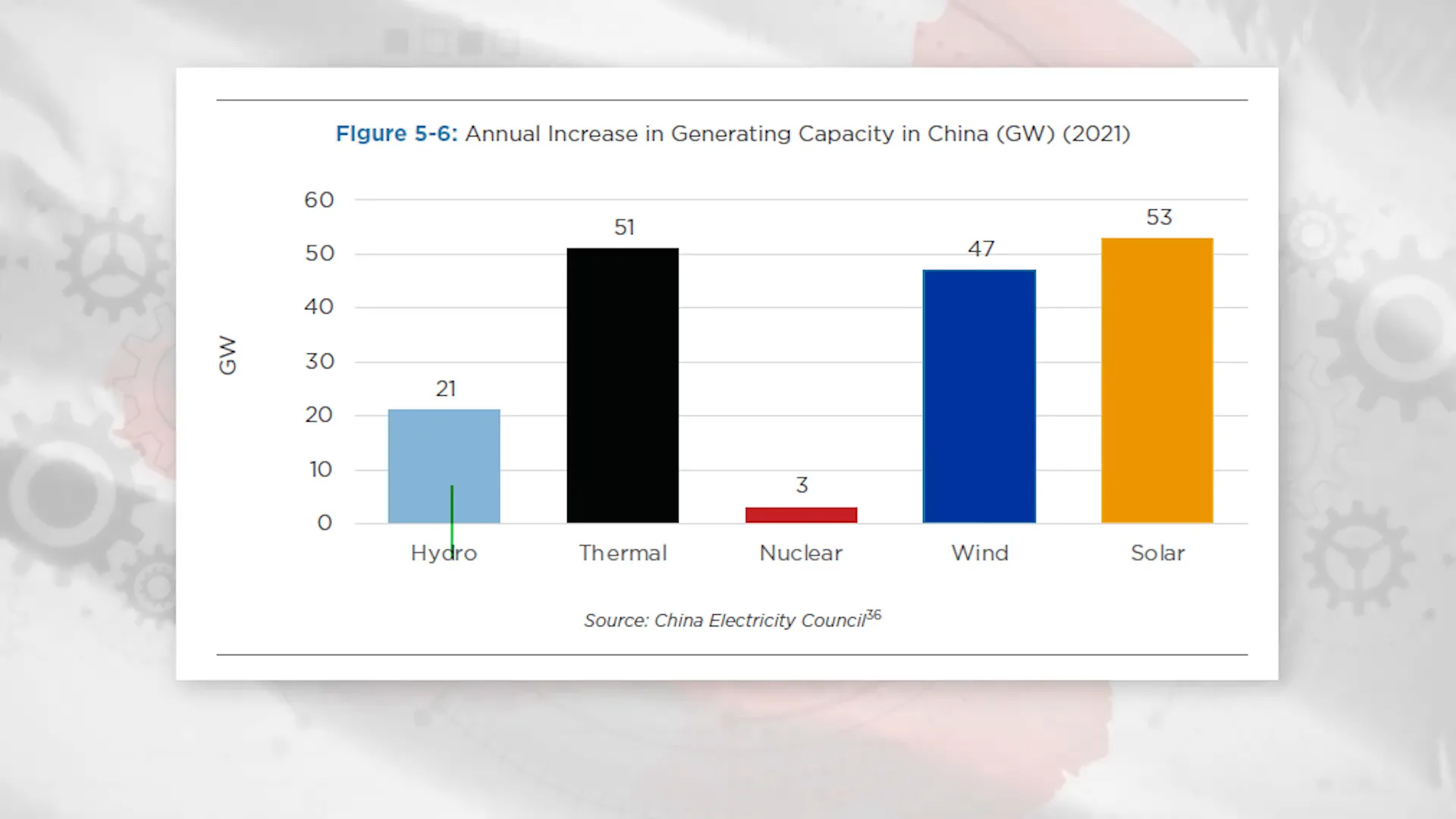
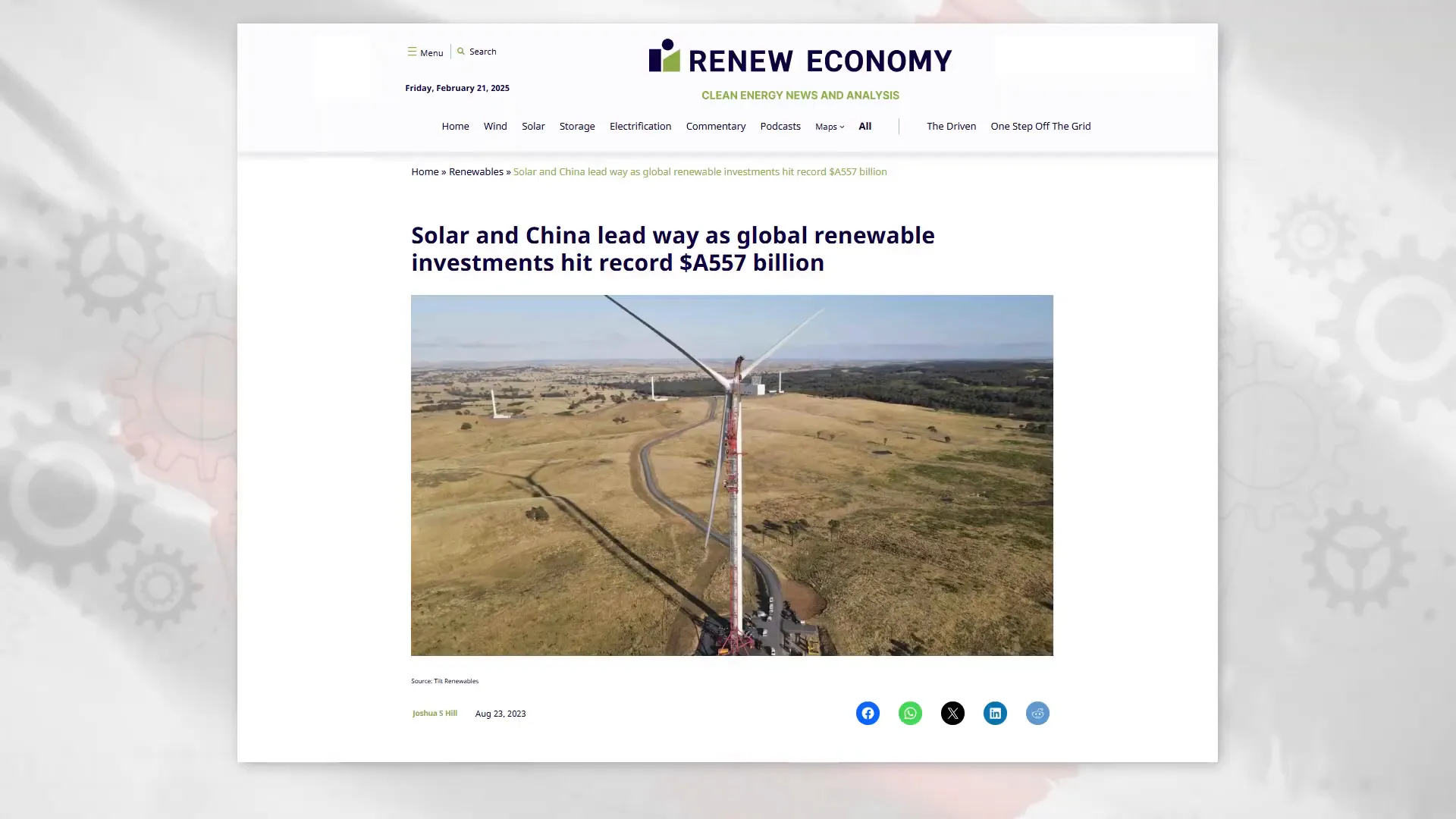
China’s solar expansion is nothing short of breathtaking. In 2024, the country installed 277 GW of new solar capacity, bringing its total to nearly 900 GW—equivalent to the rest of the world combined. A major driver of this growth is the rise of distributed solar, which constitutes 41% of China’s total solar capacity. Almost half of that growth comes from household installations, supported by a unique national strategy that encourages counties to adopt solar power at scale.
Additionally, China is home to the world’s largest solar farm and the nine largest solar farms globally. The country is also pioneering innovative solar technologies, including the world’s first gigawatt-scale floating solar farm and advancements in perovskite solar cell manufacturing.
Wind Power: A Leader in Capacity 🌬️
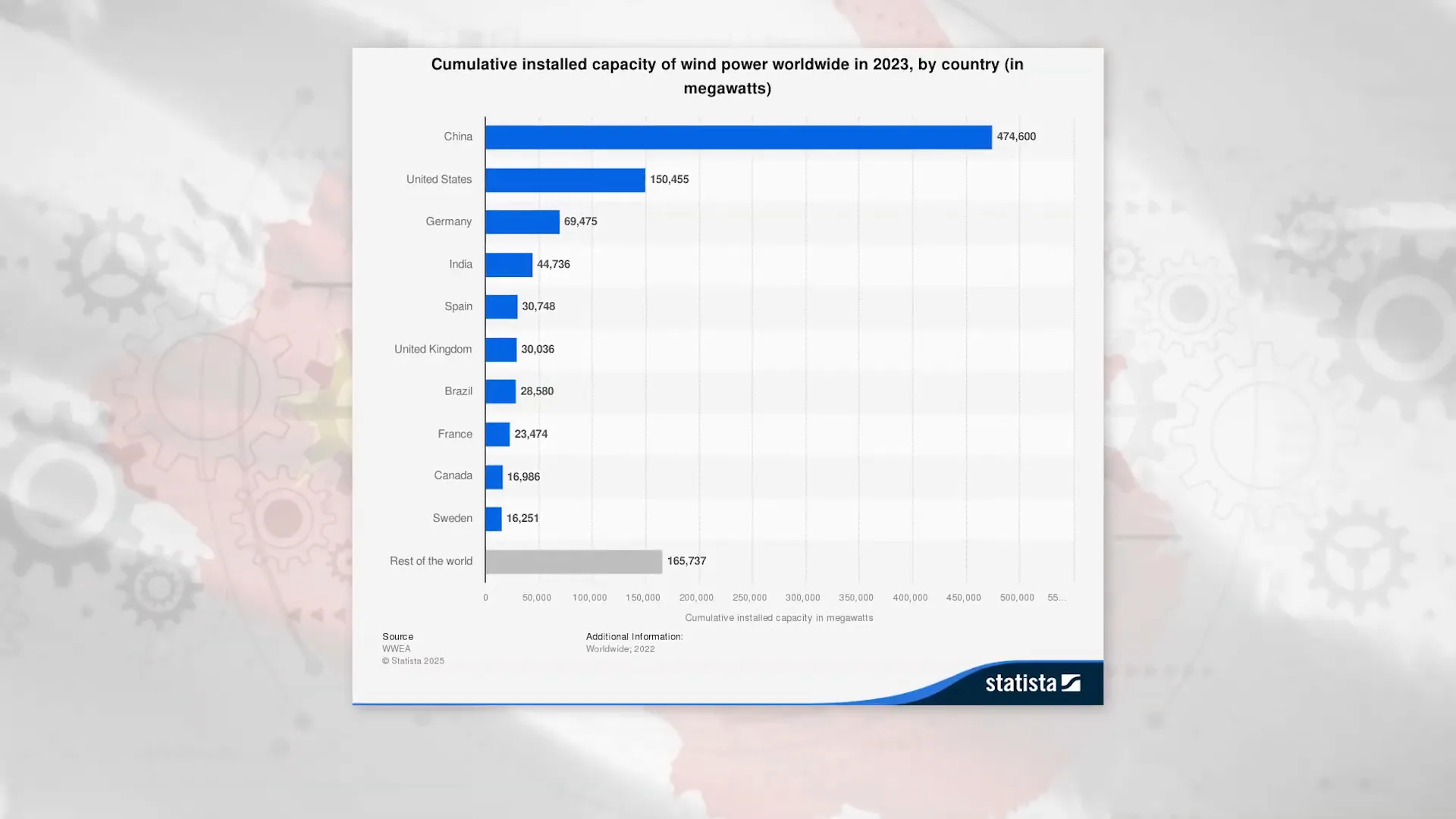
China’s dominance extends to wind power as well. By the end of 2023, its total wind capacity exceeded 440 GW, which is equivalent to the combined wind capacity of the next 12 leading countries and represents 43% of the global total. While onshore wind remains prevalent, offshore wind is where China is truly pushing boundaries. The country has the world’s largest offshore wind farm and accounted for two-thirds of the world’s offshore wind installations in 2023.
Nuclear Energy: The Fastest Growing Sector ⚛️
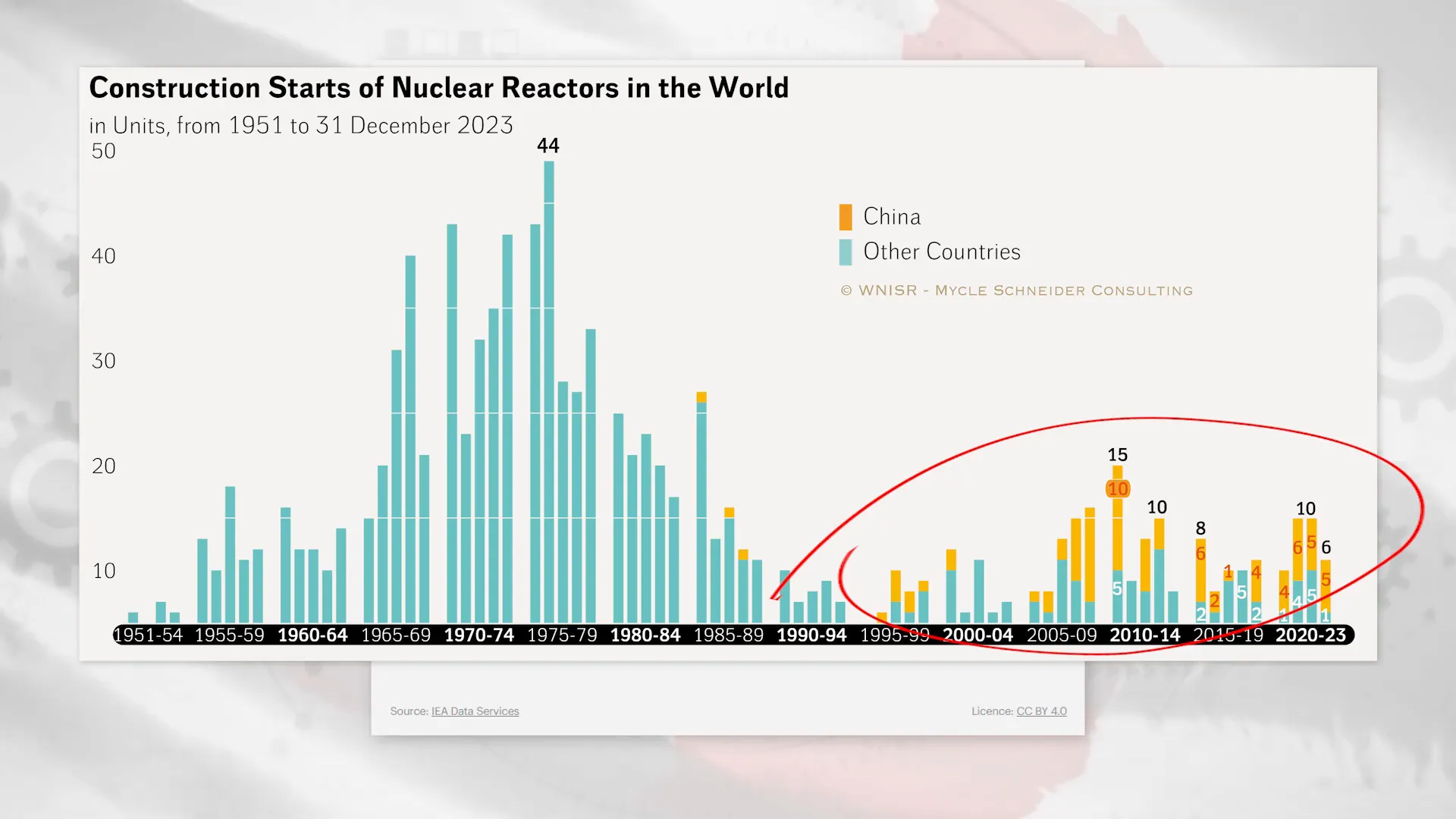
China’s nuclear sector is expanding at an unmatched pace. Starting with its first nuclear power plant connected to the grid in 1991, the country now has 55 reactors, contributing roughly 5% of its electricity generation. Although this is less than solar, wind, and hydropower, China is adding nuclear capacity faster than any other nation. By 2035, it plans to surpass the United States as the world’s largest nuclear power producer. However, it has lagged behind in meeting its 2020 nuclear targets.
Electric Vehicles and Heavy Transport 🚗
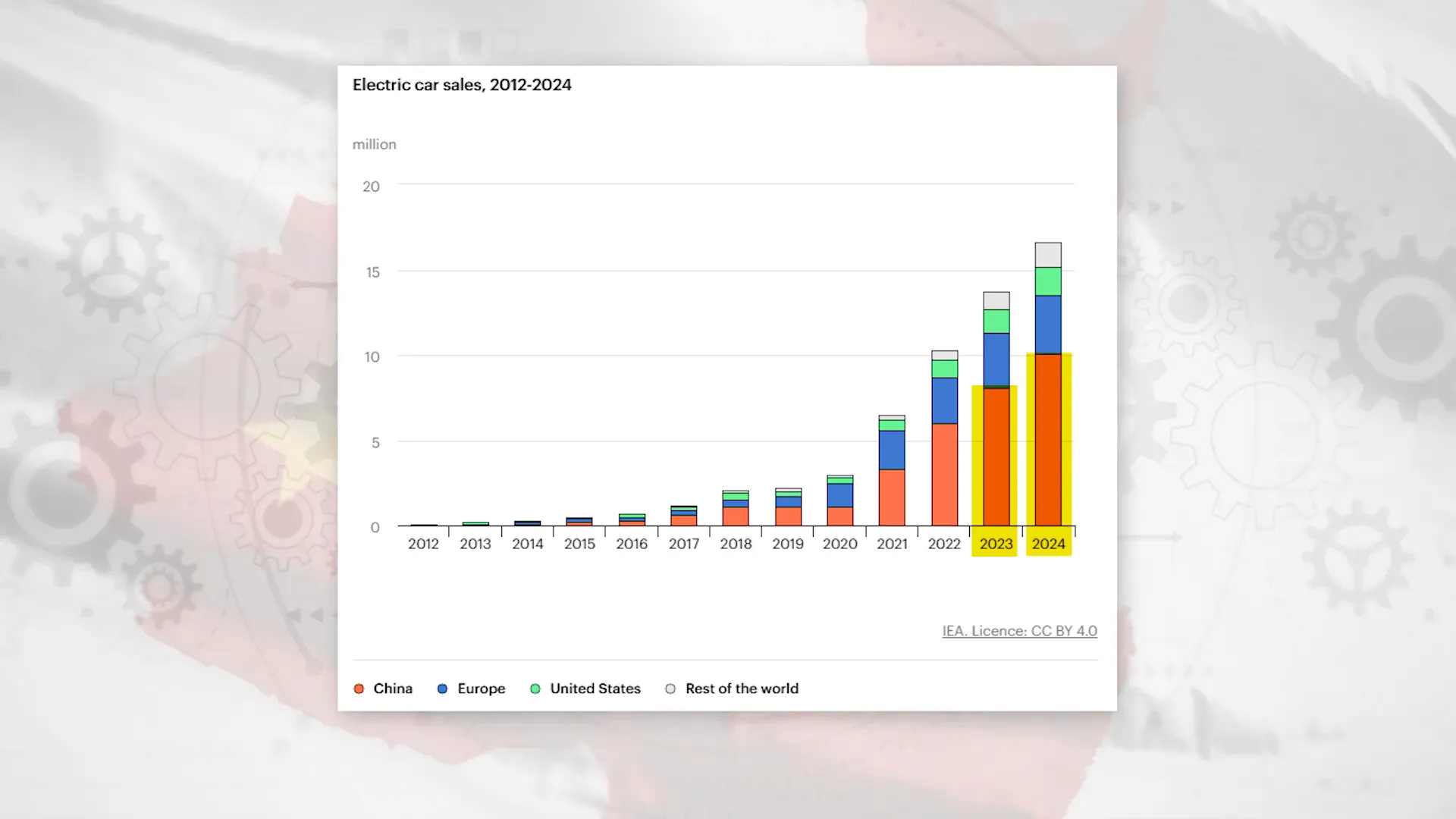
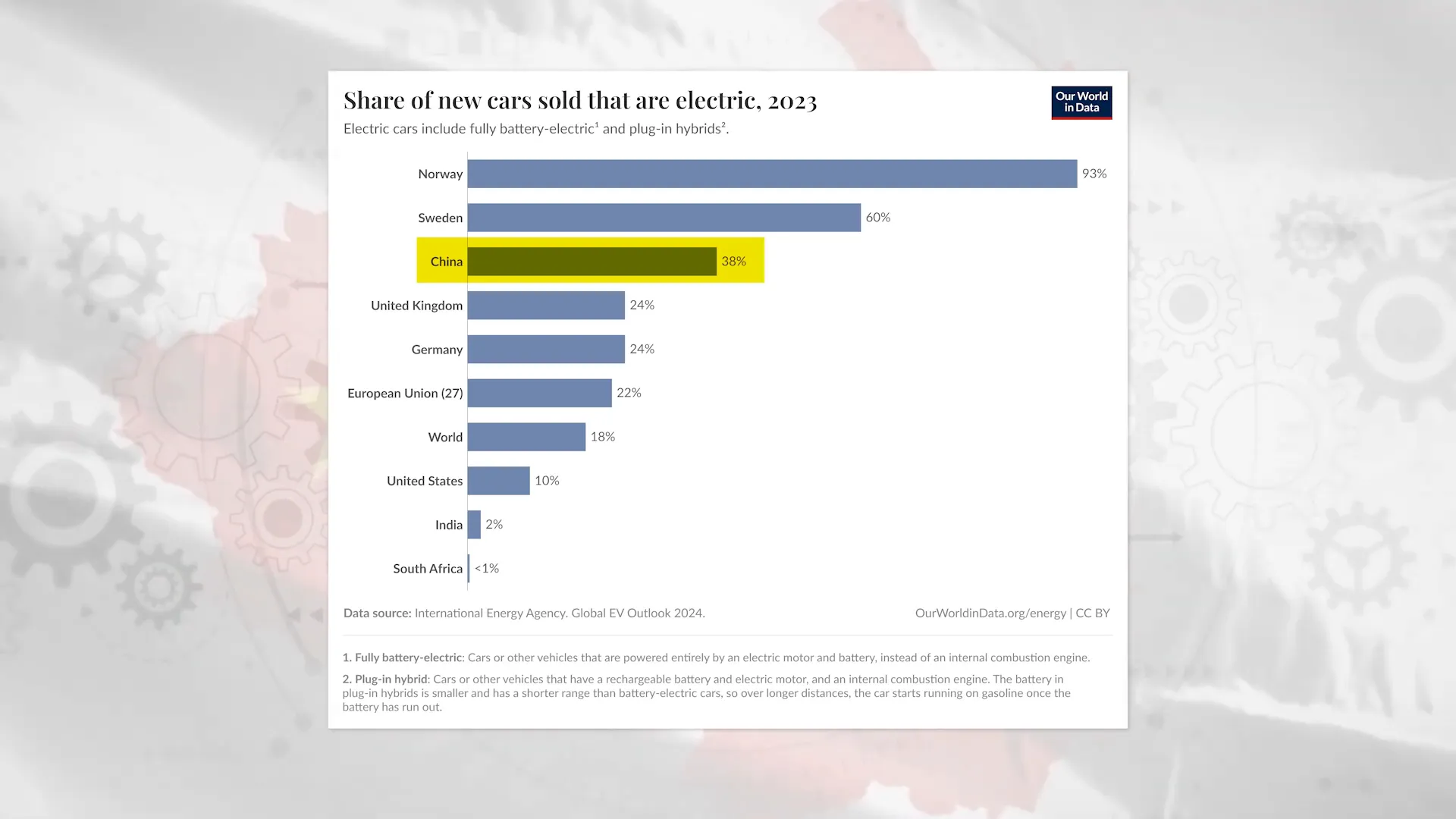
In the realm of transportation, China leads the global market for electric vehicle (EV) adoption. In 2023, nearly 14 million electric cars were sold worldwide, with China accounting for over 8 million of those sales. Within China, EVs made up nearly 40% of all new passenger vehicle sales, a figure that continues to grow. China is also electrifying its heavy vehicle fleet at a pace unmatched by any other country.
To support this rapid electrification, China has built the world’s most advanced ultra-high voltage direct current (UHVDC) transmission network, capable of transporting massive amounts of renewable energy from remote areas to urban centers, reducing transmission losses.
Energy Storage: A Kitchen Sink Approach 🔋
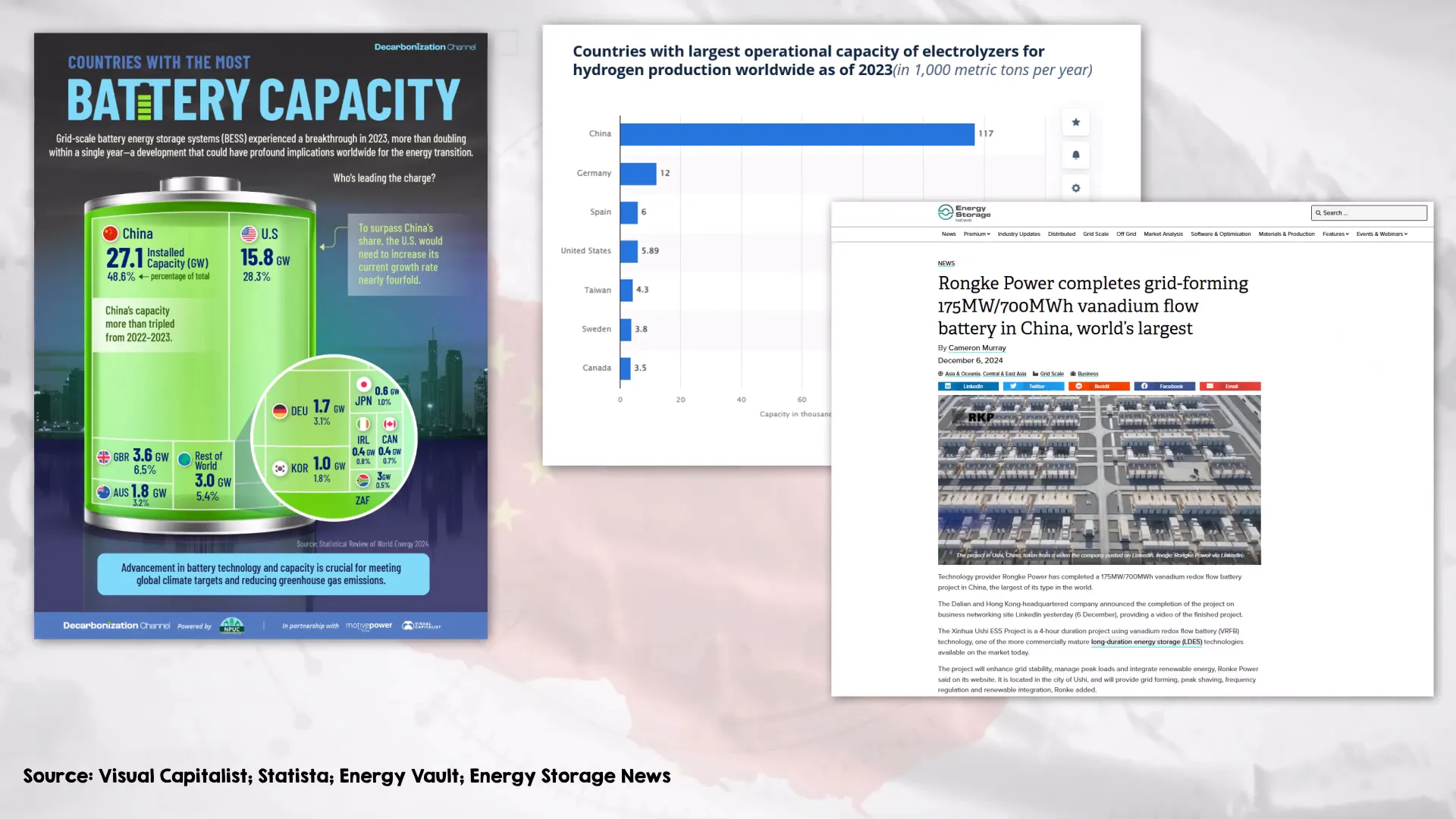
As China expands its renewable generation, it also needs more energy storage solutions. The country has more grid-scale batteries installed than any other nation and is rapidly deploying various energy storage technologies, including hydrogen electrolyzers, flow batteries, and compressed air energy storage. This “kitchen sink” approach means that China is implementing nearly every energy storage technology available, including some that are still in experimental stages.
Why Does China Dominate Energy? 🤔
China’s size is a significant advantage, possessing the second-largest economy and population globally, coupled with vast land resources. However, its success is not solely due to size. Centralized planning and aggressive targets drive its energy transition. While other nations debate policies, China focuses on execution at scale.
Moreover, China often starts from a clean slate, particularly in remote regions where new infrastructure can be designed without the constraints of existing electricity grids. This allows for the rapid deployment of renewable energy technologies.
Lessons for the Rest of the World 🌎
China’s energy transition offers important insights for other nations. Its achievements in renewables, nuclear energy, and electric vehicle adoption highlight the benefits of ambitious goals and state-led investment. However, China’s approach also has flaws, such as overcapacity in sectors like coal and solar manufacturing, leading to inefficiencies and financial losses.
Developed countries cannot simply replicate China’s model. The unique governance structure, scale, and economic drivers behind China’s transformation are not easily matched by smaller, market-driven economies. Instead, other nations may need to adapt to the shifts that China creates in energy markets, supply chains, and technology costs.
Frequently Asked Questions (FAQ) ❓
1. Why is China still investing in coal power?
China is investing in coal power for grid stability and local economic stimulation, despite low utilization rates of existing plants.
2. How does China’s solar power compare globally?
China leads the world in solar power, accounting for nearly half of the global installed capacity.
3. What are the implications of China’s energy policies for the rest of the world?
China’s rapid electrification and renewable energy expansion influence global energy markets, driving down costs and impacting oil consumption.
4. Can other countries replicate China’s energy transition model?
While countries can learn from China’s approach, the unique factors driving China’s success make direct replication challenging.
5. What role do electric vehicles play in China’s energy strategy?
Electric vehicles are a significant part of China’s energy strategy, with a substantial share of new vehicle sales consisting of EVs.
Thanks for joining me on this exploration of China’s energy landscape. It’s clear that while challenges remain, the lessons learned from China’s energy transition could provide valuable insights for the rest of the world as we navigate our own paths toward sustainability.

About The Author
